
Take a look at a lengthy bank account statement, and you’ll see many more pages than a transaction ledger. You may find account summaries and notices, as in addition to explanatory text as well as disclosures and other pages that provide the information required by the bookkeeper.
The processing of all data isn’t essential if the project is to move information from transactions into an accounting system or spreadsheet. A more focused workflow starts by identifying the pages that are useful before creating the output files.
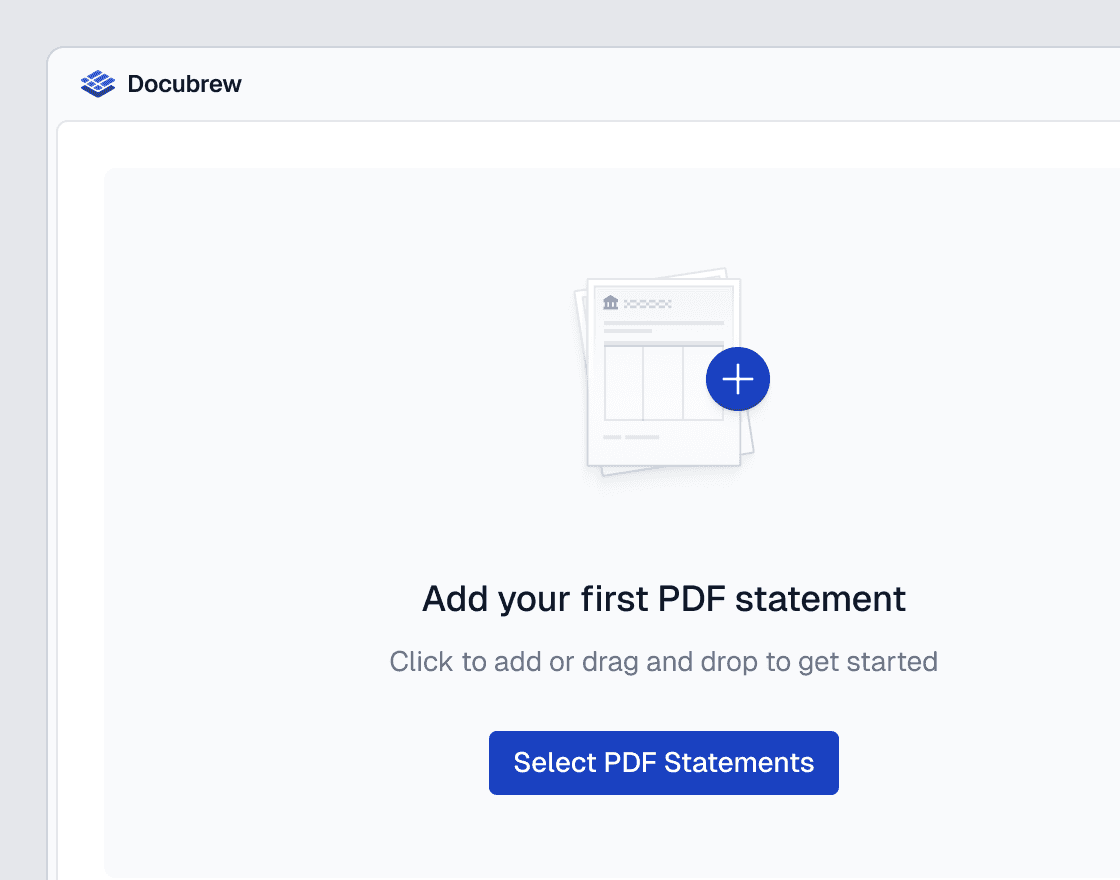
Image credit: docubrew.com
The quantity of pages does not necessarily indicate more information.
Think about a company reviewing several months of banking transactions. Each PDF could contain ten or more pages, yet only part of the document has transaction tables needed for the accounting tasks.
The manual copying of those tables is a possibility however, it’s slow and is prone to errors. Businesses can instead convert bank statements to Excel while limiting the conversion to relevant pages.
Docubrew’s preview page lets the user to look over and decide on what data to process. You can leave out disclosures, cover sheets and other pages.
You’ll have more control when you first preview
Automated systems are most effective when they are controlled by the user.
Docubrew allows users to preview the statements prior to completing conversion. The software extracts figures from the original statement, instead of estimating financial value.
The preview is a fantastic method to make sure that all the pages are chosen correctly and also to check the data you’ve extracted prior to download the final results.
This is an easy but important checkpoint when it concerns financial records.
The Export’s Shape should be determined by the Destination
The next question is what you will accomplish with the transactions.
Excel is a great tool when the bookkeeper needs to sort data, examine rows, or alter the data. CSV could be a better alternative if you’re planning to transfer the data to another system. Docubrew also can support QBO output.
A person who wants to convert their bank statement to CSV is able to do so by creating a CSV file, rather than initially creating an Excel document and then manually changing its format.
Docubrew’s output is optimized to work with accounting software like QuickBooks, Xero, and FreshBooks, as well as spreadsheet-based workflows.
Paper statements that have been scanned can be included in the same workflow
The use of selective conversion isn’t restricted to digitally generated PDFs.
Certain businesses have only printed copies of old statements. Docubrew can process scanned PDF documents, such as statements.
This can be useful during historical bookkeeping projects where recent records are digital but earlier documents were scanned from paper. They can be converted using similar methods before being reviewed prior to exporting.
Process Locally or Use the Cloud
The presentation of financial records is just as important as how they are interpreted.
Docubrew’s Windows desktop software handles the conversion locally, and stores client files on the computer. Cloud processing is accessible to users who prefer browser-based processes. Docubrew says that uploaded files are secured and uploaded documents and converted documents are automatically deleted after 24 hours.
Ultimately, converting a bank statement to Excel shouldn’t mean the entire page of every document into an Excel tool and hoping the output is useful.
Begin with pages with the data you need. Examine what’s being extracted. Select the appropriate format to complete the next task in accounting.
It’s possible to design a a more efficient financial workflow by consciously processing less rather than processing more.