
Take a look at two public restrooms. One is situated next to a bustling community playground and sports complex. The other is a remote trailhead surrounded with open land.
The two buildings provide the same service, however when they were built as identical buildings it would be difficult to comprehend how the two sites function.
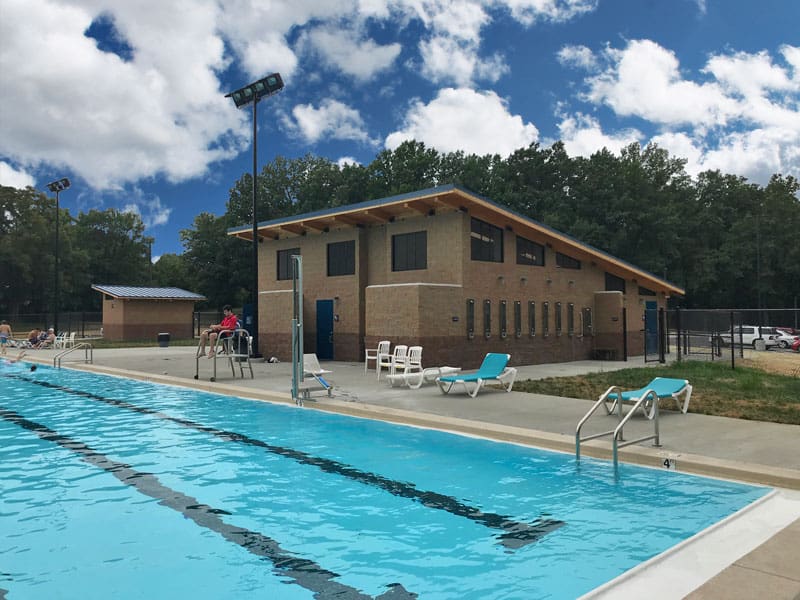
Image credit: romtec.com
The site is the initial step in the construction of a decent public bathroom. Who is going to use it? What is the maximum number of people who can visit at a time? What are the services offered? How far will visitors have to be able to walk? What is the architectural style that surrounds the building?
These answers will determine most of the choices that follow.
Start with observing how people navigate the site
The placement of toilets shouldn’t be viewed separately from the rest of the park. People can arrive in large numbers to a sports complex to watch games or events. The location of the restroom near a play area must be suitable for families, as well as safe and accessible to pedestrians. In urban settings the size of sidewalk restrooms might be smaller, and they could be required to blend with other features of the streetscape.
The building is only a small element of the experience. The site of the building is affected by numerous aspects, such as its accessibility, proximity to activities routes, entrances and pathways.
Remote sites can cause a different Problem
Move the project further away from the existing infrastructure and streets. The conventional sewer service may not be accessible at a scenic viewpoint or in an isolated recreation area such as trailheads, campgrounds or in other places. If the situation is right vault toilets offer an alternative that allows restroom facilities to be utilized in locations where traditional plumbing infrastructure may be unattainable or inaccessible.
The conversation shifts around design. Instead of choosing a building team, the design team must evaluate the existing conditions on the site to determine which bathroom system best suits the location.
Capacity should reflect the actual usage
A tranquil neighborhood park as well as a regional sports facility aren’t the same for visitor patterns. In peak times, demand is vital. Peak demand is vital.
Planning around actual use helps owners to think about bathroom dimensions, layout, fixtures, access to maintenance and other operational requirements prior to construction even begins.
For organizations researching prefabricated park restroom buildings, flexibility can be particularly valuable because the building can be configured around the project’s requirements instead of forcing the site to accommodate a predetermined model.
Architecture remains a part of the conversation
The appearance of the restroom is essential, however it shouldn’t be ignored since the purpose is far more important. A bathroom is an obvious part of a landscape that is public. Forms for roofs, siding fixtures, colors, masonry, and other architectural details can aid in establishing a connection with nearby pavilions, concession buildings as well as natural surroundings. an established theme of design for community.
Romtec’s unique approach to project management allows teams to use a variety of designs, materials, colors and exterior designs instead of being restricted to one uniform appearance.
Design for the Environment not just the purpose
Romtec collaborates with park owners and contractors to install and provide bathrooms and other public facilities. Its expertise covers the documentation of buildings, code-related considerations, ADA issues, engineering and construction, as well as the selection of materials as well as construction within the United States.
It’s surprising how simple the beginning point is. Decide on what kind of restroom you want to build. Begin by understanding the activities, people, infrastructure, and the environment that is already there. Design the building that fits within.